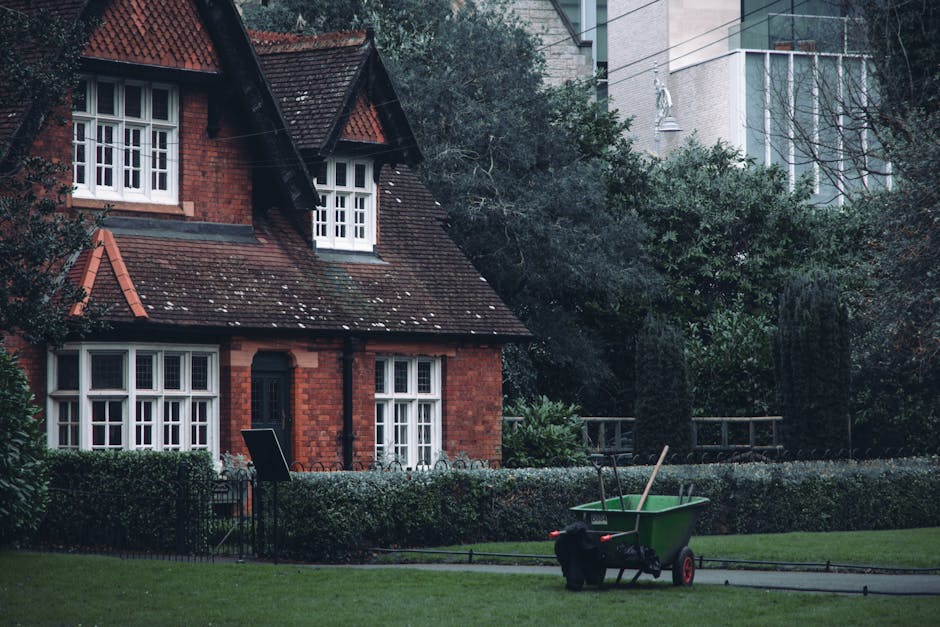
Balham gardeners guide Bedford Hill front garden makeovers
If you live near Bedford Hill, you already know the front garden has a slightly unfair job. It has to look good, cope with everyday foot traffic, handle London weather, and still make a calm first impression at the end of a busy street. That is exactly why a Balham gardeners guide Bedford Hill front garden makeovers matters: it turns a tired, awkward, or overgrown front space into something useful, tidy, and genuinely welcoming.
This guide is for homeowners who want a smarter entrance without making the garden feel fussy or high-maintenance. You will find practical ideas, step-by-step advice, common pitfalls, and a realistic look at what makes front garden improvements work in a Balham setting. A well-planned makeover does more than improve kerb appeal. It can also make the space easier to maintain, more private, and more suited to the way you actually live. Simple enough, but not always simple to do well.
For readers who want broader support from local professionals, it can help to start with the full range of gardening services and learn a little more about the team behind them on the about us page. That often makes the next decision a lot clearer.
Table of Contents
- Why Balham gardeners guide Bedford Hill front garden makeovers matters
- How Balham gardeners guide Bedford Hill front garden makeovers works
- Key benefits and practical advantages
- Who this is for and when it makes sense
- Step-by-step guidance
- Expert tips for better results
- Common mistakes to avoid
- Tools, resources and recommendations
- Law, compliance, standards, or best practice
- Options, methods, or comparison table
- Case study or real-world example
- Practical checklist
- Conclusion
- Frequently asked questions
Why Balham gardeners guide Bedford Hill front garden makeovers Matters
Front gardens do a lot of quiet work. They frame the house, soften the hard lines of brick and paving, and set the tone before anyone even reaches the front door. On Bedford Hill, where homes often sit close to the pavement and passers-by can see everything at a glance, the front garden becomes part of the property's identity. That matters whether you are staying put for years or simply want the house to feel more cared for.
In practice, a front garden makeover is less about showing off and more about solving small daily annoyances. Is the path muddy every time it rains? Does the planting look patchy in winter? Are bins, bikes, or shoes making the entrance feel cluttered? A thoughtful redesign handles those issues without creating a maintenance headache. Truth be told, that is the sweet spot most homeowners want but do not always ask for clearly enough.
There is also a neighbourhood dimension. Front gardens can either uplift a street or drag the tone down. A neat, balanced garden with healthy planting and clear edges tends to make the whole frontage feel calmer. You notice it on a grey morning, the sort that settles over Balham before the day wakes up. A tidy entrance can genuinely change how a home feels.
If you are comparing different types of work, the pricing and quotes information is useful for understanding how scope affects cost, while the recycling and sustainability approach helps when you are deciding what to remove, reuse, or compost during the makeover.
How Balham gardeners guide Bedford Hill front garden makeovers Works
A front garden makeover usually starts with a clear look at the existing space. Not just the plants, but the way people move through it. Where does water sit after rain? Where do people cut across the lawn? Which parts get sun, shade, or a blast of wind from the road? Those little details shape everything else.
The next step is usually a conversation about function. Do you want a low-maintenance frontage, a greener and softer look, better privacy, a space for containers, or a more polished entrance? Sometimes the answer is a mix of all four. That is normal. Front gardens rarely need one perfect solution; they need a balanced one.
From there, the design normally moves into practical choices:
- Hard landscaping: path repair, edging, paving, steps, or small boundary improvements.
- Soft landscaping: shrubs, perennials, structural planting, lawn shaping, and seasonal colour.
- Maintenance planning: deciding how much upkeep the space should realistically need.
- Material choice: selecting surfaces and finishes that suit the house style and the local street scene.
That last point is often underestimated. A front garden makeover is not just about choosing attractive plants. It is about choosing things that still look good in six months, then a year, then after a wet February and a hot July. Some gardens fail because they are overdesigned. Others fail because no one planned for the real world. The good ones feel settled, not staged.
Key Benefits and Practical Advantages
The obvious benefit is curb appeal, but a front garden makeover should do more than create a nice first impression. When done properly, it improves how the property functions day to day.
- Better street presence: a neat frontage makes the whole house feel looked after.
- Clearer access: paths and steps can be laid out in a safer, more sensible way.
- Lower maintenance: a well-chosen planting scheme reduces constant tidying.
- More privacy: strategic planting can soften views into the property without making it feel closed in.
- Improved drainage awareness: the right materials and layout can help reduce puddling and soil splash.
- Longer seasonal interest: with the right structure, the garden looks good even when flowers are sparse.
There is also a softer benefit that people often mention after a makeover: the front of the house feels easier to come home to. That sounds a bit sentimental, maybe, but it is real. The entrance becomes less of a chore and more of a welcome. Small thing, big difference.
For homeowners who value a reliable service experience, it can also be reassuring to look at insurance and safety information and the company's health and safety policy before work begins. Those pages help set expectations about professional standards and care on site.
Who This Is For and When It Makes Sense
Front garden makeovers are especially useful if your space has become a bit of a catch-all. Maybe the planting has gone leggy, the lawn is worn out, or the front area no longer suits the house. That happens more often than people admit. Gardens age, families change, and what once looked charming can start to feel messy.
This kind of project makes sense for:
- homeowners preparing to stay in the property and improve everyday enjoyment
- people thinking about presentation before selling or letting
- busy households that need a lower-maintenance front garden
- properties with poor planting structure or awkward access
- front gardens that have suffered from compaction, shade, or repeated patch repairs
It also makes sense if you have already tried a few quick fixes and they have not held up. New plants in the wrong place will struggle. Cheap edging will wobble. Patchy gravel over tired soil will look tidy for about five minutes, then somehow not. A proper approach saves you from repeating the same cycle.
If you are still at the research stage, a quick look at the services overview can help you match the project to the right kind of support, whether that is planting, tidy-up work, or something more involved.
Step-by-Step Guidance
Here is the practical version. If you want a front garden makeover that lasts, it helps to treat it like a sequence rather than a scramble.
- Assess the current state. Walk the space slowly. Note shade, drainage, access points, dead areas, weeds, and anything that feels awkward. A little boring at first, but essential.
- Define the main goal. Do you want easier upkeep, a smarter entrance, more planting, or better structure? Choose the main goal first, then support it with secondary choices.
- Measure properly. Even a small frontage can feel confusing if the dimensions are guessed. Accurate measurements prevent overbuying materials or overcrowding planting.
- Clear and prepare. Remove tired plants, broken edging, and anything that blocks the intended layout. This is the part where the garden briefly looks worse before it looks better. Normal.
- Sort the structure. Paths, borders, steps, and boundary lines should be decided before the planting goes in. Structure first, planting second.
- Choose planting for the site. Use plants that match sun, shade, soil, and maintenance expectations. Pretty is good. Suitable is better.
- Finish with detail. Mulch, edge cleanly, check sightlines from the street, and make sure the front door approach feels welcoming rather than cluttered.
A useful rule of thumb: if the layout works only when it is newly installed and perfectly watered, it is too fragile. Front gardens need resilience. Especially in a London setting where weather can shift quickly and the paving stays damp for what feels like half the year.
Expert Tips for Better Results
In our experience, the best front garden makeovers are often the least noisy. They do not shout. They sit well with the house and the street. That usually comes down to a few practical choices.
Keep the palette disciplined
Too many materials can make even a small frontage feel chaotic. Two or three main tones, repeated with intention, usually work better than a busy mix of finishes.
Prioritise structure over novelty
A strong evergreen framework, or at least a few permanent shapes, gives the garden year-round presence. Seasonal colour can then do its job without carrying the whole design.
Use repetition to calm the space
Repeating a plant, pot style, or edging line can make the layout feel intentional. Repetition is underrated. It quietly holds everything together.
Think about the approach from the pavement
Stand outside and look back at the property. What do you see first? Bin storage? A narrow path? A tired hedge? The view from the street often tells the truth faster than being inside the garden does.
Leave room for future growth
Plants change fast, especially in their first two years. What looks balanced on planting day can feel crowded later. Always allow for growth, airflow, and a bit of breathing space.
If you are planning a more substantial refresh, it can be worth checking the team's background and approach and then confirming practical details through contact options before you commit. A quick conversation often saves a lot of muddling later on.
Common Mistakes to Avoid
Front garden projects go wrong for familiar reasons. Most are avoidable, which is the frustrating part. But that is also the good news.
- Choosing plants for looks alone: a plant that looks lovely in a pot shop may hate your soil or exposure.
- Ignoring maintenance reality: a high-input design can become annoying very quickly.
- Overcrowding: too many plants or features can make a small frontage feel cramped.
- Skipping the hard landscape: if paths and edges are poor, the whole garden reads as unfinished.
- Forgetting drainage and runoff: puddles and splashes can undo a neat design.
- Buying everything at once without a plan: that is how random mismatched bits sneak in. We have all seen it.
One of the most common mistakes is trying to "rescue" every existing feature. Sometimes you just need to be honest and remove the thing that is not working. A tired shrub, a cracked border, or an odd patch of paving can be the reason the whole frontage feels off. Letting go is part of good garden design, even if it feels slightly rude to the old planting.
Tools, Resources and Recommendations
You do not need a giant toolkit to improve a front garden, but the right tools make the work cleaner and safer. For most front makeover projects, the essentials usually include:
- spade and fork for soil preparation
- hand trowel for planting and edging detail
- pruning tools for clearing and reshaping shrubs
- garden rake for levelling and debris removal
- measuring tape for planning layouts accurately
- gloves and sturdy footwear for protection and grip
On the planning side, a notebook, phone camera, or simple sketch can help you capture the garden before anything changes. Snap a few angles in the morning and late afternoon if you can. Light changes the space more than people expect, especially in narrow front gardens where one side may sit in shade and the other bakes by lunchtime.
For homeowners thinking about recycling old materials or handling green waste responsibly, the recycling and sustainability guidance is a useful reference point. It is one of those details that tends to get overlooked until the skip is full, so better to think about it early.
Law, Compliance, Standards, or Best Practice
Front garden work is usually straightforward, but good practice still matters. If any part of the project affects access, shared boundaries, visibility near the road, or changes to surfaces and steps, it is sensible to check the practical implications before work starts. London properties can be close together, and small changes sometimes affect neighbours more than you expect.
Best practice usually means:
- keeping access routes clear and safe during the work
- avoiding damage to shared walls, fences, or paving edges
- using materials suited to outdoor weather exposure
- making sure steps and changes in level are planned carefully
- disposing of waste responsibly and in line with the service agreement
If you are comparing providers, look for clear communication around scope, timing, and what is included. It is also reasonable to ask about terms and conditions and payment and security so there are no awkward surprises later. Not glamorous, perhaps, but very useful.
And if anything about the process is unclear, a transparent complaints procedure and accessible support information can be a sign that the business takes customer care seriously.
Options, Methods, or Comparison Table
Not every front garden makeover needs the same level of intervention. Sometimes a light refresh is enough. Other times, a full redesign is the better value over time. Here is a simple comparison.
| Approach | Best for | Typical strengths | Possible drawbacks |
|---|---|---|---|
| Light refresh | Gardens that are generally sound but look tired | Lower disruption, quicker turnaround, neat improvement | May not solve deeper drainage or layout problems |
| Moderate makeover | Spaces needing new planting, edging, and clearer structure | Good balance of impact and cost control | Requires more planning and a clearer brief |
| Full redesign | Frontages with poor layout, damaged surfaces, or major maintenance issues | Long-term value, more tailored result, better function | More time, more coordination, higher upfront effort |
If you are unsure which route fits your garden, start by asking what is actually broken. Is it the planting, the layout, the materials, or all three? That answer usually decides the project direction faster than any brochure ever will.
Case Study or Real-World Example
Here is a realistic example from the sort of project many Balham homeowners recognise. A Bedford Hill frontage had become a bit anonymous over time: a narrow path, overgrown shrubs crowding the entrance, a patchy front bed, and a general sense that nobody really wanted to be the one to deal with it. Nothing dramatic. Just one of those gardens that slowly starts asking to be ignored.
The first move was to clear out the plants that had outgrown the space and identify what was worth keeping. The path line was then made more visible, the border shape was simplified, and the planting scheme was rebuilt with a stronger framework and fewer but more reliable plants. The design leaned on structure first, then seasonal interest. No fuss, no overreach.
What changed most was not just appearance. The front door felt easier to approach. The view from the street looked settled. Maintenance became less of a weekly battle and more of a manageable routine. That is the kind of result people often want but do not phrase at first. They ask for "something nicer," but what they really need is a garden that behaves itself.
A small note here: these projects often look modest on paper and quite transformative in real life. You do not always need dramatic features. Sometimes clean lines, healthy planting, and a proper sense of proportion do the heavy lifting.
Practical Checklist
Use this checklist before starting a front garden makeover in Bedford Hill or anywhere nearby.
- Have you identified the main purpose of the makeover?
- Do you know how much sunlight and shade the front garden gets?
- Have you checked for drainage issues, patchy soil, or compacted ground?
- Is the path or entrance route safe and easy to use?
- Do the plants suit the site conditions and your maintenance appetite?
- Have you decided what should be removed, reused, or recycled?
- Is the design simple enough to age well over time?
- Have you considered the view from the street as well as from the door?
- Do you understand the scope, timings, and payment details?
- Have you got a clear next step if the project needs professional help?
If you can tick most of those off, you are already ahead of the curve. Honestly, that is more than many people manage before starting work.
Conclusion
A good front garden makeover is not about making the entrance look overproduced. It is about creating a space that feels balanced, practical, and welcoming every day of the year. For Bedford Hill properties, where frontage and street presence matter so much, the best results usually come from sensible structure, site-appropriate planting, and a clear plan that reflects real life rather than wishful thinking.
The simplest way to think about it is this: a front garden should make arriving home easier, not harder. If it does that while looking calm and considered from the pavement, you have probably done it right.
Get a free quote today and see how much you can save.
When you are ready to take the next step, a short conversation is often enough to turn vague ideas into something concrete. And that first tidy, welcoming view from the street? It never really gets old.
Frequently Asked Questions
What makes a front garden makeover different from a rear garden project?
A front garden makeover usually puts more emphasis on curb appeal, access, and low-maintenance structure. It also has to work visually from the street, which makes balance and tidy detailing especially important.
How much work does a Bedford Hill front garden usually need?
It depends on the condition of the space. Some gardens only need planting updates and edging. Others need layout changes, soil improvement, or a full refresh. The best approach starts with an honest assessment.
Can a front garden be both attractive and low maintenance?
Yes, and that is often the goal. The trick is choosing plants and materials that suit the site and resisting the urge to overfill the space. Low maintenance does not mean bare or boring.
What are the best plants for a Balham front garden?
The best plants are the ones matched to your light, soil, and available space. In many London front gardens, strong structural shrubs, reliable perennials, and a few seasonal highlights work better than complicated planting schemes.
Should I replace my front lawn?
Not always. If the lawn is patchy, heavily shaded, or awkward to maintain, alternatives such as planting beds, gravel, paving, or a mixed scheme may be more practical. It depends on how the space is used.
How do I improve privacy without making the garden feel shut in?
Use layered planting and carefully positioned screening rather than one solid barrier. That creates softness and privacy without blocking light or making the frontage feel defensive.
Is drainage a big issue in front garden makeovers?
It can be. If water pools near the path or entrance, that should be addressed early. Good drainage planning and suitable ground preparation can prevent a lot of frustration later on.
How long does a front garden makeover take?
The timescale varies with the scope of work. A light refresh may be quite quick, while a fuller redesign takes longer because it involves more preparation, installation, and finishing.
Do I need a professional gardener for a front garden makeover?
Not always, but professional help is worth considering if the garden has structural issues, tricky access, or a design that needs a more polished result. It can save time and reduce costly mistakes.
What should I ask before booking garden work?
Ask what is included, how the project will be carried out, what materials are planned, how waste will be handled, and what the payment terms are. Clear answers now usually mean fewer headaches later.
Can old materials be reused in the makeover?
Often, yes. Some edging, paving, or decorative features can be reused if they are still in good condition and suit the new layout. Reuse can be practical, sustainable, and cost-aware.
What if I only want a small improvement, not a full redesign?
That is perfectly fine. A targeted update can still make a big difference, especially if the path, planting edges, and front-facing beds are the main problem areas. Sometimes small changes are the smartest ones.