Balham Narrow Garden Access Common Problems for Gardeners
Balham gardens can be charming, compact, and full of character. They can also be awkward. If you have ever tried to move bags of soil, a mower, or even a wheelbarrow through a tight side return or a skinny passage, you already know the issue: Balham narrow garden access common problems for gardeners are not just inconvenient, they shape the whole job from start to finish.
Access affects what can be carried in, what can be taken out, how long the work takes, and whether certain tasks are even realistic without extra planning. That matters whether you are dealing with routine upkeep, a one-off clearance, hedge work, or a bigger landscaping project. In this guide, we'll break down the common problems, the practical fixes, and the standards of working carefully in tight London spaces. No fluff. Just the stuff that genuinely helps.
Why Balham narrow garden access common problems for gardeners Matters
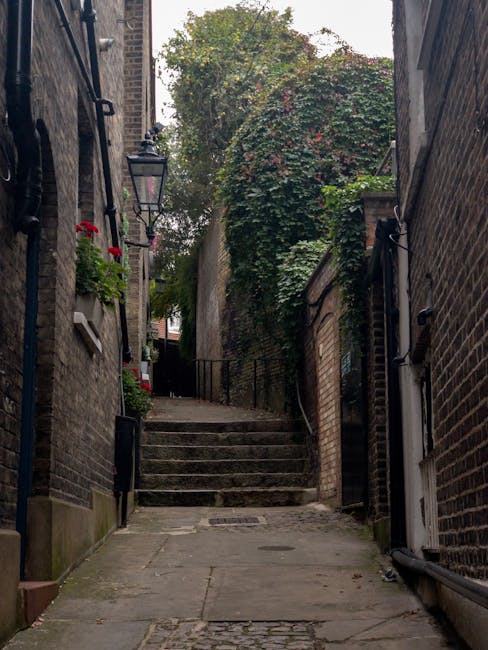
In a lot of Balham streets, the garden is not the hard part. The hard part is reaching it. Narrow side passages, shared entrances, steep steps, tight corners, basement-level gardens, and awkward gate widths can slow everything down before the first plant is touched. A simple lawn tidy can become a logistical exercise if the mower does not fit, the bins are in the way, or cuttings have to be moved through the house.
For gardeners, access problems matter because they change three things straight away: labour time, equipment choice, and waste handling. Let's face it, even the best planned job can go sideways if a 75-litre bag of compost has to be carried by hand through a corridor two inches narrower than you expected. That is where the real-world pressure starts.
For homeowners, the impact is just as practical. Access issues can affect the final cost, the level of disruption, and the overall finish. If a team has to work in smaller loads, break materials down off-site, or make more trips through the property, the job may take longer. Not always dramatically, but enough to matter.
There is also a quality angle. Narrow access can limit what is possible in planting, landscaping, and clearance work. A job done with the right method will usually look cleaner, be safer to complete, and create less mess around the house. A job done without proper planning? You tend to notice the damage afterwards. Scratched paintwork, muddy hallways, crushed borders, bent handles. Not ideal.
If access is a recurring issue, it is often worth looking at whether your outdoor space would benefit from broader maintenance planning or even longer-term changes through landscaping or landscape gardening. Sometimes the access problem is not just a nuisance; it is a design issue in disguise.
How Balham narrow garden access common problems for gardeners Works
When gardeners assess a narrow-access property, they are usually thinking in layers. First comes physical access: can people, tools, and waste move in and out safely? Then comes working space: once inside, is there enough room to operate without constantly stepping over one another or damaging surfaces? Finally comes disposal: can green waste and rubble be removed efficiently, or does it all need to be bagged, boxed, and carried through the property in stages?
Common problems usually show up in the same places:
- Side passages that are too narrow for barrows, bags, or larger tools.
- Low gates or tight corners that make turning equipment awkward.
- Steps and uneven paving that make carrying heavy loads unsafe.
- Indoor routes used as the only access point, which increases the risk of dirt and knocks.
- Restricted storage space for materials, waste bags, or tools during the visit.
- Limited vehicle access near the garden, which means more manual carrying from the roadside.
Gardeners working in these conditions often adapt by breaking the job into smaller tasks. Materials may be decanted into lighter bags. Large hedge cuttings may be reduced on site. Soil, rubble, or old planting may be removed in stages rather than piled up all at once. That sounds simple, but it changes the pace of the whole day.
A good team will also look at the order of operations. For example, hedge trimming might happen before lawn mowing so the cuttings do not land on freshly cut grass. Waste-heavy work might be handled before finishing tasks, so the site ends cleaner. It is the small sequencing decisions that make tight-access work manageable.
Some jobs also need a pre-visit assessment. That might be a quick walk-through, photos, or a few measurements. Nothing dramatic. Just enough to identify the choke points before the team arrives with the wrong kit and a hopeful expression. You know the look.
Key Benefits and Practical Advantages
It may sound strange to talk about benefits when the subject is a headache, but planning for narrow access does have clear upside. In practice, it helps gardeners and clients avoid avoidable friction. That alone is worth something.
- Less disruption: Better planning means less back-and-forth through the house or down the side return.
- Cleaner work: Narrow access jobs can be kept tidier when routes are mapped out in advance.
- Safer handling: Lighter loads and smarter equipment choices reduce strain and slips.
- Better cost control: Fewer surprises usually means a quote that is more realistic and a job that runs more smoothly.
- More realistic expectations: Everyone knows what can be done and how long it should take.
For routine maintenance, this is especially useful. If your garden needs ongoing care rather than one-off rescue work, you'll often get better results from a structured plan. Services such as garden maintenance and lawn mowing are usually easier to manage when the access route is stable and predictable.
There is a quieter benefit too: less stress. People often underestimate how annoying a narrow gate can be until the hedge trimmings start stacking up and the wheelbarrow wheel catches every brick edge. Once the access plan is sorted, the whole atmosphere of the job improves. Everyone breathes a bit easier.
Who This Is For and When It Makes Sense
This topic matters if you are a homeowner, landlord, tenant, property manager, or gardener working in Balham and you already know the access is tight, or suspect it might be. It is especially relevant for terraced homes, basement gardens, maisonettes, and properties with side returns or rear access only through the building.
It also makes sense if you are:
- planning a one-off garden clearance after a long period of neglect;
- booking hedge trimming or pruning where waste volume may be high;
- considering landscaping or a new deck where materials will need to be carried in;
- trying to reduce wear on indoor floors and hallway walls;
- worried about whether the job can be done safely without damage.
Access planning is not only for big jobs. In some cases, a small routine visit becomes difficult because the route is blocked by bikes, storage, or a narrow gate that only opens halfway. A quick tidy-up can become fiddly fast. That is why early conversation matters so much.
If you are comparing service options, it can help to look at the wider range of work available through the services overview. That gives a better sense of whether you need simple maintenance, a clearance visit, or a more involved redesign.
Step-by-Step Guidance
If you want to reduce problems before the gardeners arrive, a simple process works best. No grand theory. Just sensible preparation.
- Check the route from the street to the garden. Measure the narrowest point, note low gates, steps, and awkward turns.
- Identify what needs to move. Tools, soil, waste, old pots, rubble, broken timber, and furniture all matter.
- Photograph the access points. A few clear images often tell the story better than a long explanation.
- Clear the route where possible. Move bikes, bins, and garden clutter out of the way before work starts.
- Match the job to the access. A clearance job may need different handling than mowing or trimming.
- Decide whether the house will be used as a route. If it must be, protect flooring and wall edges in advance.
- Ask about waste removal. Tight access often means more bagging, more trips, and more planning for disposal.
- Confirm the finish you want. A neat, shaped garden usually needs more careful access handling than a basic cut-back.
That is the clean version. In real life, you sometimes discover a hidden snag halfway through. A gate sticks, a path slopes more than expected, or the compost heap is positioned exactly where the wheelbarrow wants to turn. Happens all the time.
If the garden has been left for a while, consider whether a dedicated garden clearance might be the most practical first step before any finer work begins. It is often easier to solve access issues once the bulk clutter is out of the way.
Expert Tips for Better Results
From experience, the best narrow-access jobs are rarely about brute force. They are about rhythm, route choice, and restraint. A few small decisions make a noticeable difference.
Tip one: keep the route short and consistent. Repeatedly changing the path through a property tends to create more mess than you expect.
Tip two: use smaller loads than you would on an open-site job. It is slower on paper, yes, but often faster overall because nothing gets stuck or dropped.
Tip three: protect surfaces before the first trip, not after the first scuff. Once dirt gets on a hallway carpet, it is suddenly everyone's problem.
Tip four: trim before you cut the lawn if the hedge is going to shed heavily. Otherwise you end up mowing twice. A bit annoying, to be fair.
Tip five: if the access is especially tight, look at whether some items can be dismantled, cut down, or removed in sections. That is often the difference between a job that grinds and one that flows.
Another useful habit is to ask what will happen at the end of the visit, not just at the start. Will the waste be left bagged at the front? Will there be a final sweep-through? Will someone need to unlock a shared passage for collection? Small questions, big effect.
For hedges that overhang narrow routes, professional hedge trimming can prevent repeated contact with fences, walls, and windows. That matters more than people think. A slightly better shape often saves a lot of annoyance later.
Common Mistakes to Avoid
Most access problems become worse because someone assumed the route would be fine. That assumption is expensive in time, effort, and sometimes paintwork.
- Assuming barrows will fit without checking widths first.
- Leaving all waste removal to the end and discovering the route is too cramped for large loads.
- Forgetting about turning space at the gate, steps, or path corners.
- Using the house as a through-route without protecting floors and edges.
- Starting with bulky equipment when smaller tools would be more practical.
- Ignoring overgrown shrubs or roots that are narrowing the route even further.
- Booking the wrong type of service for the actual job size and access conditions.
The biggest mistake is probably under-communicating. If a gardener turns up expecting open access and finds a narrow basement passage with three bins, two scooters, and a locked side gate, the day changes immediately. Not a disaster, but not efficient either.
It is also worth avoiding the temptation to "just squeeze through." That mindset causes most scrapes, trips, and bruised shins. Nobody wins.
Tools, Resources and Recommendations
You do not need specialist kit for every narrow-access garden, but the right tools help a lot. The point is not to own more tools. It is to use the ones that fit the space.
- Narrow wheelbarrows or carry tubs for small loads and tight corners.
- Lightweight pruning tools for trimming without constant repositioning.
- Tarps and dust sheets for protecting indoor routes if the house has to be used.
- Heavy-duty bags that can be moved in smaller, safer loads.
- Measuring tape for checking gates, passage widths, and step clearances.
- Hand tools where powered equipment would be cumbersome or unsafe.
From a planning point of view, good photos are one of the most useful resources you can have. A clear picture of the entrance, side return, back gate, and any steps can save a lot of back-and-forth. A short video walk-through is even better if the route is complicated.
If you are weighing up service costs, useful next steps, or quote expectations, the pricing and quotes page can help frame the conversation. And if you want to understand the people behind the service, the about us page gives a little more background on how the team works.
Some homeowners also think ahead about future maintenance. That is where smart design choices come in. If you can make the route easier once, you often save yourself repeated hassle later. Truth be told, that's the real win.
Law, Compliance, Standards, or Best Practice
There is no single special law for narrow garden access, but there are still important standards and common-sense duties to follow. In the UK, anyone carrying out garden work should take reasonable care to work safely, avoid damage, and reduce the chance of injury. For a client, the practical expectation is similar: give accurate access information and flag any known hazards.
Best practice in this context usually includes:
- clear communication before the visit about gates, steps, slopes, and shared access;
- safe manual handling when lifting bags, branches, or heavy materials;
- protecting surfaces where indoor routes are used;
- planning waste movement so it does not block exits or create trip hazards;
- using suitable tools and methods for the space, not simply the fastest ones.
Where tree work, high hedges, or heavy removals are involved, risk is naturally higher. In those cases, companies should be especially careful about safety checks and the handling of debris. If a job involves larger woody waste or awkward overhanging branches, tree lopping and removal may need a more deliberate access plan than routine maintenance.
You may also want to review site policies if you are hiring a contractor and care about how they operate. Relevant pages such as health and safety policy, insurance and safety, and recycling and sustainability can help reassure you that the work will be handled responsibly. That is not paperwork for the sake of it. It signals how a team thinks.
Options, Methods, or Comparison Table
When access is tight, there is rarely one perfect method. The best choice depends on the size of the job, the type of waste, and how much disruption you can tolerate.
| Method | Best for | Pros | Limitations |
|---|---|---|---|
| Manual bagging and carrying | Small maintenance jobs, light waste | Fits very tight routes, low equipment needs | Slower, more trips, more labour |
| Section-by-section working | Trimming, weeding, small clearances | Controlled, tidy, easy to pause | Can take longer overall |
| Pre-cutting bulky material | Hedges, branches, awkward shrubs | Makes waste easier to move | Needs extra handling on site |
| Full clearance before fine work | Overgrown gardens, neglected spaces | Improves movement and visibility | May be more disruptive at the start |
| Redesign to improve access | Repeatedly awkward gardens | Long-term practical benefit | More planning and upfront cost |
The right answer often changes with the season too. In early spring, growth can be light and access issues may feel manageable. By late summer, the same route can feel narrower because the garden has filled out. A good plan adapts rather than pretending the space is static.
Case Study or Real-World Example
Here's a typical Balham-style scenario. A small rear garden looked simple from the inside, but the only access was through a narrow side passage with a slightly uneven step and a gate that opened inward. The garden itself needed a tidy, hedge reduction, lawn cut, and removal of old plant pots and broken timber.
The first problem was movement. A standard barrow was too awkward at the turn, so smaller loads were used instead. The second problem was waste volume. The hedge produced more cuttings than expected, so the team reduced branches as they worked rather than collecting a huge pile at the end. The third problem was cleanliness. Because the route passed near a hallway, protective covering was used and the indoor path was kept as short as possible.
Nothing dramatic happened. That is the point. The job went smoothly because the access limitations were respected rather than fought. The garden ended up neat, the house stayed clean, and the client did not have to live with a trail of soil through the property. Simple, but effective.
In another case, a garden meant for casual maintenance had become hard to reach because climbing plants and old rubbish had narrowed the passage over time. The initial visit focused on garden clearance and only then moved into shaping and tidying. A slightly longer first visit made the following visits much easier. That is often how it goes.
Practical Checklist
Use this before any narrow-access garden job in Balham.
- Measure the tightest gate, passage, and corner.
- Check whether steps, slopes, or uneven paving create a lifting risk.
- Clear bikes, bins, tools, and furniture from the route.
- Take photos of access points and send them ahead if needed.
- Decide whether waste can leave in bags or needs smaller containers.
- Protect indoor floors if the property will be used as the route.
- Confirm where waste will be stored temporarily during the work.
- Identify overgrown plants that are narrowing the access further.
- Match the service to the access conditions: maintenance, clearance, trimming, or landscaping.
- Agree on the finish and cleanup expectations before the job starts.
Expert summary: the smoother a narrow-access job looks from the outside, the more planning usually happened before anyone arrived. Measure first, move small, protect surfaces, and keep the route simple.
Conclusion
Balham narrow garden access common problems for gardeners are mostly about logistics, safety, and realism. Tight passageways, awkward gates, indoor routes, and limited turning space all affect how garden work is done. The good news is that most of these issues can be handled well with early planning, the right tools, and honest communication about what the garden actually needs.
If you are dealing with a tricky entrance, do not assume the answer is to force the job through. Often the better answer is to adapt the method. Smaller loads, clearer routes, better sequencing, and a sensible scope can turn a frustrating task into a straightforward one. And once the access is under control, everything else feels easier. Even a bit calmer, somehow.
If you want to explore the wider service options or check how a job might be approached, the most sensible next step is to review the available services and request a clear quote.
Get a free quote today and see how much you can save.
Frequently Asked Questions
What are the most common access problems in Balham gardens?
The most common issues are narrow side passages, tight gates, steps, awkward corners, and limited space for moving waste. Indoor routes are also common when there is no rear service access.
Can gardeners work through a house if the garden is only reachable indoors?
Yes, in many cases they can, but it needs careful planning. Floors, walls, and corners should be protected, and the route should be kept as short and clean as possible.
Do narrow garden access problems make the job more expensive?
They can, because the work often takes longer and involves more manual handling. The exact impact depends on the size of the job, the amount of waste, and how difficult the route is.
How do I measure whether my garden access is too narrow for equipment?
Measure the narrowest point of the route, including gates, turns, and steps. Compare that against the equipment you expect to be used, but if you are unsure, send photos or ask for an assessment.
Is garden clearance harder than regular maintenance in a narrow-access property?
Usually yes, because clearance creates more waste and requires more carrying. Routine maintenance can often be managed more easily if the access route is already clear.
What should I tell a gardener before they visit a tight-access property?
Tell them about gate widths, steps, shared entrances, indoor access, waste storage space, and anything that blocks the route. A few photos are often more useful than a long description.
Can landscaping still work if access is very limited?
Yes, but material choices and installation methods may need to be adjusted. Sometimes projects are phased so that access is improved before the bigger work starts.
What tools are best for narrow garden access jobs?
Smaller barrows, carry tubs, hand tools, protective floor coverings, and heavy-duty bags are often the most practical. Larger machines are not always the best fit in confined spaces.
How do gardeners avoid damaging floors or walls during access through a house?
They usually protect surfaces with coverings, carry smaller loads, and keep the route organised. Good planning matters more than speed here.
Should I book hedge trimming separately if access is awkward?
It can help if the hedge is adding to the access problem or producing a lot of waste. Sometimes a focused trimming visit is easier to manage than trying to do everything at once.
What if the garden is overgrown and the access is already tight?
In that case, a clearance-first approach is often the smartest route. Removing the bulk growth and clutter usually makes later maintenance much easier.
Where can I find more information about working with this kind of service provider?
Review the service details, the company background, and the practical pages on pricing, safety, and sustainability. That gives you a better sense of how the work is handled and what to expect.