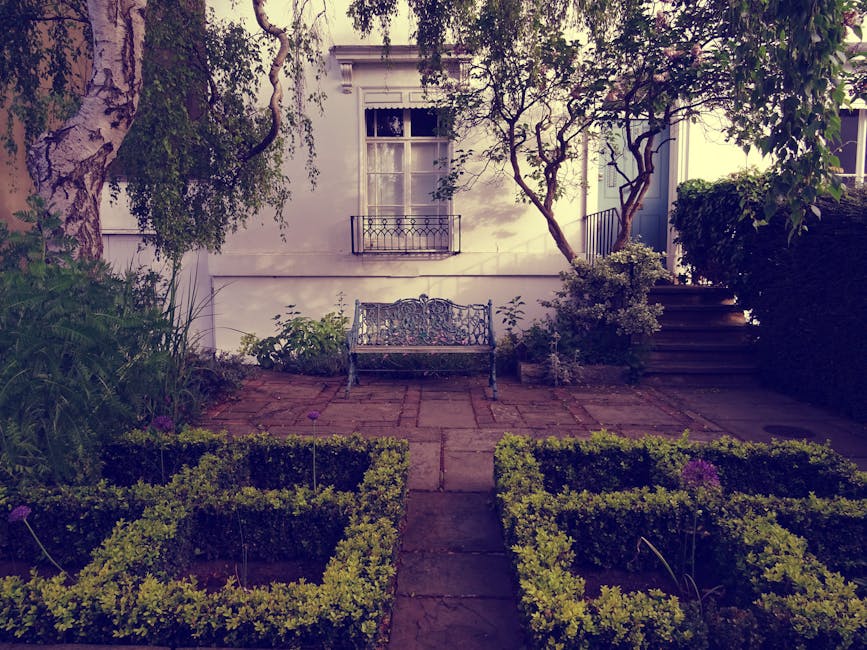
Find trusted gardeners for Bedford Hill period gardens
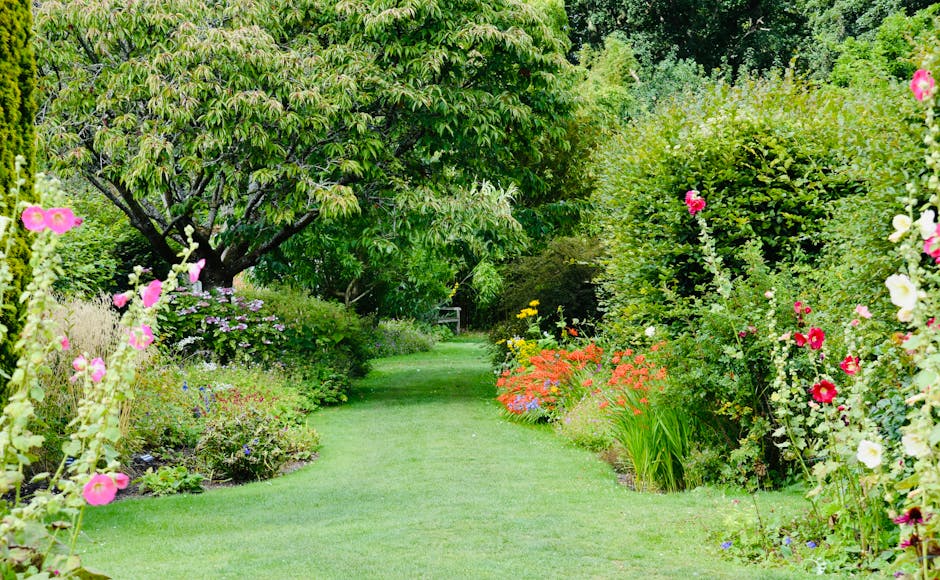
If you own, manage, or simply care about a Bedford Hill period garden, you already know it is not the same as a standard modern plot. The borders may be older and deeper, the mature shrubs more temperamental, and the layout often carries a bit of history. Finding trusted gardeners for Bedford Hill period gardens means choosing people who understand that balance: preserve the character, improve the health, and keep the place usable without stripping away its charm.
That sounds straightforward enough. In practice, it can be tricky. Period gardens ask for more than tidy lawns and a quick prune. They need judgement, restraint, and a feel for what should be left alone. The right gardener will notice the little things too: old paving that needs gentler cleaning, an overworked yew that has been cut back one season too far, or a shady corner that needs the right planting rather than just more water. This guide walks you through how to choose well, what to ask, and how to avoid the common mistakes that cost time and money later.
There is a sensible middle ground here. You do not need to overcomplicate every task, but you do need a gardener who understands older garden design, seasonal maintenance, and local conditions in Bedford Hill. Let's get into it properly.
Why Find trusted gardeners for Bedford Hill period gardens Matters
Period gardens are often layered with personality. You may find established trees, mature hedging, old rose borders, clipped evergreens, worn paths, and planting that has evolved over decades. Some of that is valuable. Some of it is just old, tired, or planted in the wrong place. The job of a trusted gardener is to tell the difference without guessing.
That distinction matters because a rushed tidy-up can do real damage. A heavy-handed cut in the wrong season can weaken shrubs for months. Poorly judged clearance can expose soil, disturb habitat, or make the garden feel flat and sterile. On the other hand, sensitive maintenance can bring back structure and light without losing the feel of the place. Truth be told, that is where the best gardeners earn their keep.
There is also the practical side. Bedford Hill gardens may face shade from neighbouring buildings, compacted soil from years of use, or drainage issues after wet weather. In a period setting, the answer is rarely "replace everything." More often it is careful improvement, done in stages, with the old bones of the garden respected. That is why trust matters so much.
Expert summary: For period gardens, the best gardener is not simply the quickest one. It is the person who balances preservation, plant health, seasonal timing, and clean presentation without making the garden look newly built. That restraint is a skill in itself.
How Find trusted gardeners for Bedford Hill period gardens Works
Finding the right person usually starts with the garden itself. A good first conversation should focus on what the garden needs now, what must be protected, and what outcomes matter most to you. Do you want a full seasonal maintenance service? Restoration work on neglected beds? More careful hedge trimming and lawn care? Or a broader plan that includes landscaping and planting changes?
In a sensible hiring process, a gardener will ask questions before they talk about price. They will want to know the size of the garden, the level of access, whether there are mature trees, how long the work has been building up, and whether any features need extra care. If they skip all that and jump straight to a quote, you may want to pause. Not always a red flag, but it is not ideal either.
For Bedford Hill period gardens, a strong process often looks like this:
- Walk the garden together and identify priorities.
- Separate routine maintenance from restoration or one-off work.
- Discuss plant health, seasonal timing, and anything fragile or historic.
- Agree the scope clearly, including waste removal and access.
- Set expectations for regular visits, communication, and review.
That sounds almost too simple. But in our experience, clarity at the start saves a lot of awkward conversations later. And yes, it usually makes the work better too.
If you want a broader view of the services typically involved, the services overview page is useful for understanding how maintenance, clearance, landscaping, and related work can fit together.
Key Benefits and Practical Advantages
Choosing a trusted gardener for a period garden is not just about keeping things neat. It can improve the long-term health and value of the space in very real ways.
- Preservation of character: Mature planting, old stone edging, and established design elements are handled with more care.
- Better plant health: Correct pruning, feeding, and seasonal timing support stronger growth and fewer setbacks.
- Less wasteful work: A skilled gardener avoids unnecessary replacement and focuses on what can be restored.
- Improved appearance: The garden looks cared for, but not overworked. That matters more than people think.
- Safer maintenance: Old trees, unstable branches, and awkward access points are managed with proper caution.
- Clearer budgeting: Regular upkeep usually costs less than waiting until a garden becomes unruly and then trying to rescue it all at once.
There is also peace of mind. If you live away from Bedford Hill part of the time, or you manage a property on behalf of someone else, trust becomes a huge factor. You want to know the work is being done properly, not just ticked off in a hurry. Nobody enjoys coming back to a garden that has been "maintained" into something bland and a bit sad.
Who This Is For and When It Makes Sense
This kind of specialist garden care suits more people than you might expect. It is not only for grand townhouses or formal heritage properties. Bedford Hill has a mix of homes, and period gardens can appear in all sorts of shapes and sizes.
You may benefit from trusted gardeners if you are:
- a homeowner with an established garden that has outgrown routine DIY care;
- a landlord wanting reliable upkeep between tenancies;
- a family looking after a long-loved garden that needs careful renewal;
- someone inheriting a mature garden and not quite sure where to start;
- a property manager handling a garden with decorative or older planting;
- an owner who wants regular maintenance without losing the garden's original feel.
It makes sense especially when the garden has history. Maybe the box hedging is older than the extension. Maybe the lilac has become part of the view from the kitchen. Maybe there is a rose arch that should be saved, not replaced. These are small things, but they shape the whole experience of the garden.
It also makes sense if you have noticed the garden slipping from "slightly untidy" to "needs a real plan." That is often the point where a good gardener can make the biggest difference. Not dramatic, not flashy. Just calm, competent improvement.
Step-by-Step Guidance
Here is a practical way to approach the search without getting overwhelmed. You do not need to interview ten people and make a spreadsheet unless that is your thing. A simple, structured process usually works best.
1) Define what "trusted" means to you
For one person, it may mean consistent visits and clear communication. For another, it may mean experience with mature planting, old brickwork, or careful hedge work. Write down the non-negotiables. This makes the conversation more focused straight away.
2) List the work the garden actually needs
Separate it into categories such as pruning, mowing, weeding, border tidying, clearance, tree work, or larger landscaping changes. A garden that has been neglected for a while may need a one-off reset before regular maintenance can begin. That is perfectly normal.
3) Ask how they approach period gardens
This is where you learn a lot. A thoughtful gardener should be able to explain how they protect older features, work with seasonal cycles, and avoid overcutting. If they speak only in generic terms, keep asking. You are looking for judgement, not just labour.
4) Check whether they offer the right mix of services
Some gardens need more than one skill. For example, you might need hedge trimming, lawn mowing, and garden clearance in the same season. If the garden is being reshaped, landscape gardening or broader landscaping may also be relevant. The best fit is often a team that can handle both routine maintenance and more substantial tasks. For routine upkeep, the garden maintenance service is a good benchmark for what ongoing care should look like.
5) Discuss access, timing, and frequency
Older gardens sometimes have narrow side access, delicate paving, or shared boundaries. Mention these early. Also talk about how often the garden needs attention. A fortnightly visit suits some spaces; others need seasonal work with occasional extras. There is no one-size-fits-all answer.
6) Get a written scope or quote
Keep it plain and specific. What is included? What is not? Is waste removed? Are materials supplied? Are trees or large shrubs separate? Clear paperwork avoids the classic "I thought that was included" moment. We have all seen that one before.
7) Review after the first visit
After the first job, step back and look at the result. Did the garden still feel like itself? Was the work tidy, proportionate, and sensible? Did the gardener communicate well? A trusted gardener should make the garden feel better, not merely different.
Expert Tips for Better Results
If you want the best outcome from a period garden, a few small habits make a big difference.
- Start with restraint. Older gardens usually benefit from selective work, not dramatic stripping back. You can always do more later, but you cannot put mature structure back overnight.
- Keep a seasonal rhythm. Some tasks are best done at specific times of year. Timing affects flowering, recovery, and overall plant strength.
- Protect the features that give the garden identity. A Victorian path, a mature camellia, or an old espalier can be more important than a brand-new bed of flowers.
- Use regular upkeep to avoid rescue mode. Period gardens look best when they are gently guided over time. Waiting until everything is tangled usually means heavier intervention.
- Talk about the "feel" of the garden, not just the tasks. A good gardener will understand what you mean by open, lush, formal, relaxed, or historic. Those words matter.
One practical tip that often gets overlooked: take photos before any major work starts. Not only is this useful for comparison, it helps you remember the shape of the garden before it changes. Helpful if the memory is a bit fuzzy six months later, which, let's face it, happens.
Another useful point is to ask what they would not touch on the first visit. A good answer shows judgement. It might be a mature shrub that needs assessing across seasons, or a tree that should be treated separately. The reluctance to rush is usually a good sign.
Common Mistakes to Avoid
People often make the same few mistakes when trying to find trusted gardeners for Bedford Hill period gardens. The good news is that they are easy to avoid once you know what to watch for.
- Choosing on price alone: A very low quote can mean corners are cut, scope is vague, or the gardener does not fully understand the work.
- Not defining the garden's priorities: If you do not say what matters most, you may get a tidy garden but lose some of its character.
- Assuming all gardeners do the same thing: Maintenance gardeners, landscape gardeners, hedge specialists, and clearance teams may each bring different strengths.
- Overlooking waste and aftercare: A job is not really finished if the cuttings are left behind or the garden needs follow-up that nobody discussed.
- Cutting everything back at once: Period planting often responds better to phased work, especially where shrubs and trees have become overgrown.
- Not asking about insurance or safety: Even small jobs can involve ladders, tools, tree work, or heavy lifting. You want to know the basics are covered.
The biggest mistake, though, is probably the simplest one: assuming "gardeners" all mean the same thing. They do not. Some are brilliant at regular upkeep. Others are better suited to landscaping or a larger renovation. The right match matters.
Tools, Resources and Recommendations
You do not need specialist knowledge to brief a good gardener, but a few basic tools and habits make the process smoother.
Useful things to prepare before the first visit
- a short list of your priorities;
- photos of the garden in different seasons, if you have them;
- notes about problem areas such as shade, drainage, or poor soil;
- details of anything you want preserved;
- questions about timing, frequency, and access.
Services worth considering for period gardens
Depending on the state of the garden, the right mix may include hedge trimming, lawn mowing, garden clearance, tree lopping and removal, or broader landscaping work. If you are clearing a neglected section before restoring it, garden clearance can be a sensible first step. If the garden needs structure or a refreshed layout, landscape gardening may be more appropriate than routine maintenance alone.
For lawns that have become patchy or overgrown, lawn mowing is the obvious starting point, but a proper gardener will often look beyond the cut. They will think about edges, feeding, shade, and whether the grass is even the right solution in every part of the garden. Sometimes it isn't. A border or planting scheme can be far more practical.
If bigger trees or dense mature growth are part of the picture, tree lopping and removal may be relevant, though this should always be handled carefully and only when genuinely needed. Mature trees define the space. Removing them changes the whole garden, so the decision should never be rushed.
Law, Compliance, Standards, or Best Practice
For most homeowners, the main concerns are practical rather than legal. Still, good practice matters. In a period garden, that usually means working safely, disposing of waste responsibly, and taking care around trees, walls, old paths, and shared boundaries.
If work involves larger trees, there may be separate considerations around permissions or protected features, depending on the property and local context. It is sensible to pause and check before any major tree work, especially if the tree seems established or visually significant. A trusted gardener will not blunder ahead when something needs a closer look.
Insurance and safety are worth asking about, even for ordinary garden jobs. The team should be able to explain how they manage tools, access, waste, and basic risk on site. That is not bureaucracy for its own sake. It is just sensible care. You do not want ladders wobbling against old brickwork or debris left where someone can trip after dusk.
Best practice also includes respecting neighbouring properties, managing noise reasonably, and avoiding unnecessary disturbance to wildlife where possible. In a garden that has been established for years, there is often more life in the margins than people realise. You notice it at dusk sometimes - a rustle in the hedge, a blackbird shifting in the border. Small thing, but part of the place.
For a clearer sense of how a reputable company approaches these issues, you can also review the health and safety policy and insurance and safety information, which can help you understand the level of care to expect.
Options, Methods, or Comparison Table
Different gardens need different kinds of help. The table below gives a simple way to think about the main options.
| Option | Best for | Strengths | Watch-outs |
|---|---|---|---|
| Regular garden maintenance | Established gardens needing ongoing care | Consistent presentation, seasonal upkeep, predictable routine | May not be enough for major overgrowth or redesign |
| Garden clearance | Neglected plots or heavy seasonal buildup | Fast reset, restores visibility and access | Can be too aggressive if the garden has delicate structure |
| Landscape gardening | Gardens needing functional or visual improvement | Can reshape space and improve flow | Needs careful planning to preserve period character |
| Hedge trimming and lawn care | Gardens with strong existing framework | Keeps the space neat without major disruption | Won't solve deeper soil, drainage, or planting issues |
| Tree work | Gardens with mature trees or safety concerns | Improves safety and light where appropriate | Should be approached cautiously; may need specialist judgement |
For many Bedford Hill period gardens, the best answer is not one method but a mix. A tidy lawn, selective pruning, and targeted clearance can do more for a mature garden than a full redesign. On the other hand, if the layout no longer works at all, a sensitive landscaping plan may be the smarter move.
Case Study or Real-World Example
Imagine a Bedford Hill garden behind a Victorian terrace. The owner has inherited it after years of lighter upkeep. There is a strong old laurel at the back, overgrown borders, a patchy lawn, a broken run of hedge, and a paved area that is slightly hidden under self-set growth. It is not a disaster. Just a bit lost.
A trusted gardener would probably not start by stripping everything. Instead, they might begin with careful clearance of the worst congestion, lightening the borders, and revealing the structure underneath. They may trim the hedge in stages rather than all at once, assess whether the lawn can recover, and leave the mature laurel largely intact apart from sensible shaping. If the paving is worth saving, they would clear around it rather than replacing it immediately.
After the first proper tidy, the garden would already feel calmer. Light would reach the beds again. The owner could see the shape of the space. Then comes the follow-up work: maybe new planting, maybe better edging, maybe a more regular maintenance plan. No drama. Just steady improvement.
That is often the sweet spot for period gardens. Not a makeover. A respectful recovery.
Practical Checklist
Use this checklist before you hire anyone to work on a Bedford Hill period garden.
- Have I identified the features I want to preserve?
- Do I know whether I need maintenance, clearance, landscaping, or a mix?
- Have I described access issues, boundaries, and fragile areas clearly?
- Did I ask how the gardener approaches older or established gardens?
- Have I checked whether they can handle the scale of the work?
- Is the quote or scope specific about what is included?
- Did I ask about waste removal, materials, and follow-up care?
- Have I discussed timing, frequency, and seasonal priorities?
- Do I feel comfortable with their communication and judgement?
- Have I thought about safety, insurance, and any tree-related concerns?
If you can tick most of those off, you are in a strong position. If not, slow down. A little more clarity now can save a great deal of hassle later.
Conclusion
Finding trusted gardeners for Bedford Hill period gardens is really about finding the right kind of judgement. You want someone who can see the history in the garden, work with it rather than against it, and keep the place healthy, attractive, and practical to live with. The best results usually come from people who listen well, explain clearly, and treat the garden as something worth preserving.
Start with a clear brief, ask sensible questions, and trust the evidence in front of you. If a gardener takes time to understand the space and talks about it with care, that is usually a very good sign. And if they can make an old garden feel alive again without losing its soul, well, that is the real win.
Get a free quote today and see how much you can save.
If you are ready to move forward, choose the team that makes you feel calm, informed, and confident. A period garden should never feel like a burden. It should feel like part of the home - quietly generous, a little characterful, and very much worth looking after.
Frequently Asked Questions
What makes a gardener suitable for a period garden?
A suitable gardener understands older planting, knows when to prune and when to leave things alone, and can work carefully around established features. They should be able to explain their approach in plain English.
How often should a Bedford Hill period garden be maintained?
It depends on the size, planting, and how formal the garden is. Some gardens suit fortnightly or monthly maintenance, while others need seasonal visits with extra attention during spring and summer.
Is garden clearance a good first step for an overgrown period garden?
Often, yes. A careful clearance can reveal the structure of the space and make later maintenance much easier. The key is not to overclear and accidentally remove features worth keeping.
Should I choose landscaping or regular maintenance?
If the garden mostly needs tidying and ongoing care, maintenance is usually enough. If the layout no longer works or the space needs redesigning, landscaping may be the better choice.
How do I know if a gardener is trustworthy?
Look for clear communication, sensible questions, a realistic quote, and a calm approach to the work. A trustworthy gardener should not promise everything instantly or avoid discussing details.
Do period gardens need special pruning methods?
Sometimes, yes. Mature shrubs, roses, hedges, and trees may need pruning at specific times and in a way that preserves shape and health. Heavy cutting at the wrong time can set the garden back.
What should be included in a quote?
A good quote should clearly state the work included, what is excluded, whether waste is removed, and whether materials are provided. Vague pricing can lead to awkward surprises later.
Can a gardener help preserve the original character of the garden?
Yes, if they understand the garden's structure and take a restrained approach. They should aim to improve the space without flattening its personality.
Do I need a specialist for tree work in a period garden?
If the work involves large or mature trees, it is wise to use someone with the right experience. Tree decisions affect light, safety, and the long-term shape of the garden, so they should be handled carefully.
What if I only need a one-off tidy-up?
That is completely fine. A one-off visit can be a smart way to reset a neglected garden before deciding on ongoing care. Just make sure the scope is agreed properly.
How can I prepare for the first visit?
Walk the garden first and note the areas that matter most. Mention access, problem spots, and anything fragile. A few clear notes help the gardener work more effectively from day one.
What is the biggest mistake people make when hiring gardeners for period gardens?
Rushing the decision and choosing purely on price is probably the biggest one. A period garden needs care, judgement, and patience. The cheapest option is rarely the most thoughtful.