SW12 gardeners Tips for Small Balcony Gardens Balham High Road
If you are trying to turn a modest balcony into something green, calm, and genuinely usable, you are not alone. Space is tight in SW12, the weather can be a bit of a character, and a balcony on Balham High Road has to work hard. The good news? With the right SW12 gardeners tips for small balcony gardens Balham High Road, even a narrow ledge can become a leafy, low-fuss retreat that feels larger than it is.
In practice, small balcony gardening is less about cramming in plants and more about making smart choices. Right container, right plant, right placement. Sounds simple, but truth be told, that is where most balcony gardens either flourish or end up looking cluttered after a few windy weeks. This guide walks you through the practical side: how to plan, plant, maintain, and improve a compact balcony without wasting money or space.
Whether you want herbs for the kitchen, a bit of privacy from neighbouring flats, or a restful corner to sit with a coffee, this article will help you build it step by step. And yes, you can do it without turning your balcony into a full-time hobby. Mostly.
Table of Contents
- Why SW12 gardeners tips for small balcony gardens Balham High Road Matters
- How SW12 gardeners tips for small balcony gardens Balham High Road Works
- Key Benefits and Practical Advantages
- Who This Is For and When It Makes Sense
- Step-by-Step Guidance
- Expert Tips for Better Results
- Common Mistakes to Avoid
- Tools, Resources and Recommendations
- Law, Compliance, Standards, or Best Practice
- Options, Methods, or Comparison Table
- Case Study or Real-World Example
- Practical Checklist
- Conclusion
- Frequently Asked Questions
Why SW12 gardeners tips for small balcony gardens Balham High Road Matters
Small balconies come with a specific set of challenges. They are exposed, often shaded on one side, and usually not designed with gardening in mind. In Balham, you may also deal with dust from traffic, gusty weather around open street corners, and the usual London mix of sun, shade, and sudden rain. That means generic gardening advice often falls flat.
Using the right approach matters because a balcony garden has to earn its space. Every pot needs to justify itself. Every plant should either look good, provide something useful, or support the rest of the space. If it does none of those things, out it goes. Harsh? Maybe. But helpful.
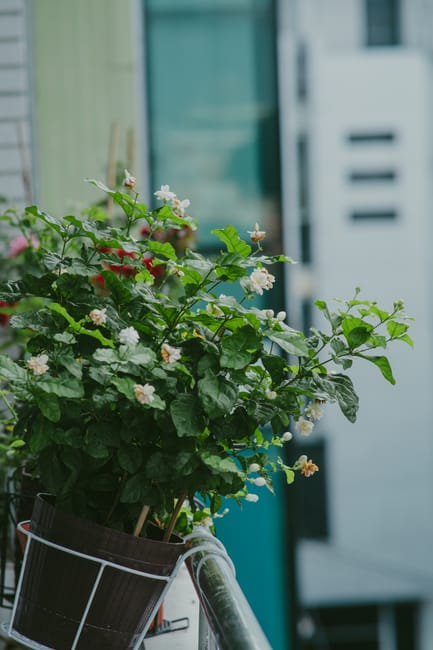
There is also a lifestyle point here. A well-designed balcony can make a flat feel more liveable. Morning light on a lavender pot, a small herb shelf by the railing, a narrow bench, even a climbing plant creating a green screen - these details change how a home feels. You notice it on a grey Tuesday more than on a perfect sunny day.
For people living near Balham High Road, balcony gardening can also be a practical answer to limited access to ground-level outdoor space. You may not have a garden, but you can still grow food, support pollinators, soften hard edges, and create a little privacy from the outside world. That is no small thing.
Expert summary: A small balcony garden works best when it is designed like a room, not like a border. Think of layers, movement, and function before you think of quantity.
If you are comparing professional support or want to understand the wider range of services available, the services overview is a useful place to start. For company background and working values, you can also look at the about us page.
How SW12 gardeners tips for small balcony gardens Balham High Road Works
The basic idea is to match the garden to the balcony, not the other way around. That means looking first at light, wind, weight, access, and maintenance. Once you understand those five things, plant choice becomes much easier.
Start with sunlight. A south- or west-facing balcony may suit Mediterranean-style plants, herbs, and flowering species that like more light. A north-facing balcony often does better with shade-tolerant foliage, ferns, and containers that do not dry out too quickly. Then look at wind. High-level balconies can dry out fast and can also topple lightweight pots, so stability matters more than people expect.
Next is weight. Balcony structures have limits, and while you do not need to panic over every pot, you should avoid loading the space with huge planters full of wet compost unless you know the structure can comfortably handle it. This is one of those areas where cautious, sensible planning beats guesswork.
Then think vertically. A tiny balcony usually has more usable height than floor area. Wall-mounted planters, trellis systems, railing planters, and stacked shelving can all create room without crowding the floor. That is where a lot of the magic happens.
Finally, maintenance has to be realistic. If a balcony is awkward to water, difficult to reach, or exposed to constant wind, choose plants that can tolerate a bit of neglect. The best balcony garden is the one you can actually keep alive through July heat and a busy week.
For readers exploring professional help, quotes, and planning support, the pricing and quotes page can help set expectations before you start.
Key Benefits and Practical Advantages
A small balcony garden does more than look pretty. Done well, it can solve several everyday annoyances at once.
- Better use of space: Vertical planting and compact containers turn dead space into something usable.
- More privacy: Tall planters and climbing plants can soften views from nearby windows or adjoining balconies.
- Improved atmosphere: A few well-placed plants reduce the hard, echoey feel of concrete and glass.
- Herbs and edibles on hand: Mint, rosemary, chives, salad leaves, and thyme can be grown in small pots.
- Low-cost refresh: Compared with bigger landscaping projects, balcony gardening can be built gradually.
- Better mental reset: A green space, even a small one, makes sitting outside more appealing. You will use it more often.
There is also a practical design advantage. Plants help define zones. One corner can be for sitting, one for herbs, another for screening. Even a very small balcony starts to feel organised instead of improvised.
And if you are trying to be environmentally thoughtful, balcony gardening can be part of that too. Reusing pots, choosing peat-free compost where appropriate, and composting responsibly all help reduce waste. If sustainability matters to you, the recycling and sustainability page is worth a look.
Who This Is For and When It Makes Sense
This approach is ideal for renters, flat owners, first-time gardeners, and anyone with a balcony that feels too small to matter. It is also a good fit if you want greenery without signing up for a full garden maintenance routine. Let's face it, not everyone wants to be out there every weekend pruning and repotting.
You may need this most if:
- your balcony gets strong wind or uneven light
- you want a simple, stylish outdoor area rather than a heavily planted display
- you need privacy from nearby buildings
- you like growing herbs or salad crops close to the kitchen
- you have limited storage and need all your tools to do double duty
- you are unsure which plants can survive London balcony conditions
It also makes sense if you are preparing a flat for sale or rental and want the outdoor space to feel more polished. A tidy, well-planted balcony often gives a strong first impression. Not flashy. Just cared for.
For anyone who wants a broader look at the team behind the service, the about us page gives helpful context, while the contact us page is the sensible next step if you want to ask about balcony work specifically.
Step-by-Step Guidance
Here is the practical sequence we would use for a compact balcony garden. No fluff. Just the order that tends to work.
- Measure the space properly. Note width, depth, railing height, door swing, and any awkward corners. A balcony that looks spacious at a glance can shrink fast once you add a chair, a watering can, and two planters.
- Check light and exposure. Spend a day noticing where sun lands and where the wind hits hardest. Morning and late afternoon light can be very different.
- Choose a purpose. Do you want food, flowers, screening, or a sitting area? You can mix these, but one should lead the design.
- Select containers that suit the space. Use stable pots for exposed areas and slimmer railing-friendly solutions where needed. Always make sure drainage is adequate.
- Build the vertical layer. Add a trellis, shelf, or wall-mounted system before you fill the floor with pots. Vertical structure makes the balcony feel intentional.
- Plant in groups. Grouping plants by water needs saves hassle. A drought-tolerant pot and a thirsty fern should not be forced to share the same routine.
- Leave room to move. You should be able to water, sit, and open the door without shuffling everything around. If not, it is too full.
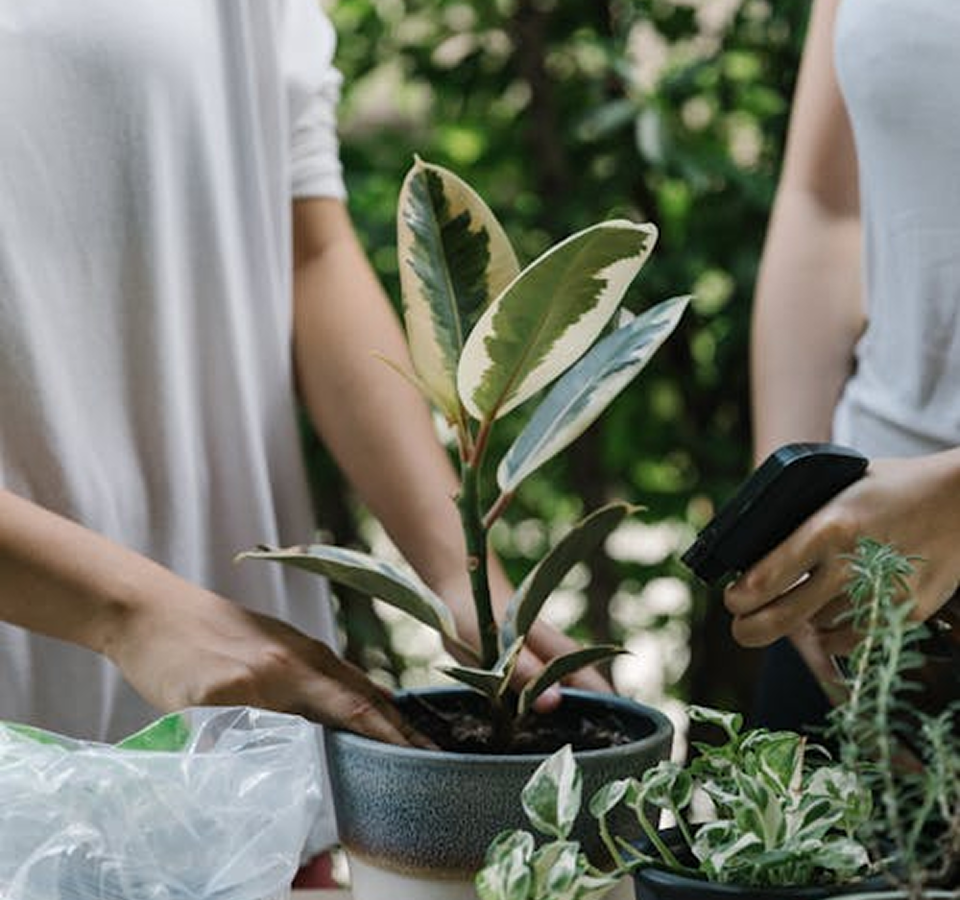
- Set a simple maintenance habit. Check moisture, deadhead flowers, remove yellow leaves, and rotate pots if one side is getting more light.
A small planning note makes a big difference here: sketch the balcony on paper first. Rough is fine. Even a quick pencil plan prevents the classic mistake of buying one pot too many, which happens all the time.
What to plant first
If you are starting from zero, begin with one structural plant, one edible plant, and one flowering or fragrant plant. For example: a compact evergreen for year-round shape, basil or thyme for use in the kitchen, and lavender or geraniums for colour and scent. That mix gives you something useful and something cheerful. Nice balance, really.
Expert Tips for Better Results
Small balcony gardens benefit from a few design habits that experienced gardeners keep returning to. These are the details that make the difference between "nice idea" and "actually lovely".
- Use layers, not rows. Place taller items at the back or edges, medium plants in the middle, and low plants at the front. Flat layouts feel sparse.
- Choose a restrained colour palette. Too many pot colours or flower tones can make a tiny balcony feel busy. Two or three dominant shades often look better.
- Prefer repeated forms. Repeating the same container style or plant shape creates calm, even if the space is small.
- Think in all seasons. A balcony should still look acceptable in February. Evergreen structure or textured foliage helps with that.
- Use scent near seating. Herbs, jasmine, or soft-scented blooms are best placed where you actually sit. Otherwise you will not notice them much.
- Keep one empty corner if possible. Negative space is underrated. A small gap can make the whole balcony feel less cramped.
One thing I often tell people is to resist the urge to buy every plant that looks cheerful in the shop. At the garden centre, everything seems manageable. Then you get it home and suddenly the balcony looks like a plant traffic jam. To be fair, we have all done it once.
If you are planning maintenance support, it is worth checking operational standards too. The health and safety policy and insurance and safety information can help reassure you about how work is approached responsibly.
Common Mistakes to Avoid
Balcony gardens tend to fail for predictable reasons. The upside is that once you know them, they are easy enough to avoid.
- Using pots that are too light. Wind can knock them over. Heavier containers or weighted bases are safer.
- Ignoring drainage. Soggy roots do not forgive much. Every container should have proper drainage holes.
- Overcrowding the space. If you cannot step out without nudging a pot, it is already too full.
- Planting mismatched species together. Sun-loving and shade-loving plants will not be equally happy.
- Forgetting about access for watering. If watering feels like a chore, the garden will slowly deteriorate.
- Choosing high-maintenance plants by accident. Beautiful, yes. Practical, not always.
- Neglecting wind protection. Even a small screen or strategic planter placement can save leaves from constant damage.
Another common issue is assuming the balcony is too small for "real" gardening, so people only add one sad pot and stop there. That is a shame. Even a modest setup can create a strong effect if the pieces are chosen carefully.
And here is the awkward truth: some plants simply will not suit your balcony. Not because you are bad at gardening, but because the conditions are wrong. That is normal. Swap them out and move on.
Tools, Resources and Recommendations
You do not need a shed full of kit. In fact, the best balcony set-ups are usually the ones with a small, sensible tool kit.
- Compact watering can: Easier to control than a hose and better for precise watering.
- Hand trowel and small fork: Enough for potting, loosening compost, and general maintenance.
- Secateurs or snips: Useful for deadheading, trimming herbs, and cleaning up growth.
- Light gloves: Handy for repotting and for thorny or gritty work.
- Moisture meter or finger test: Either works. The point is not to guess every time.
- Stable plant saucers or trays: Helps protect flooring and catch runoff.
- Balcony-friendly compost: Choose a mix suited to container growing and refresh it as plants settle.
When choosing plants, start with reliable balcony performers rather than novelty varieties. Herbs, compact evergreens, dwarf grasses, small climbers, and robust seasonal flowers usually give the best return on effort. If you want help deciding what fits your balcony size and light levels, a professional can often save you a lot of trial and error.
For practical next steps and service planning, the services overview and pricing and quotes pages are useful starting points.
Law, Compliance, Standards, or Best Practice
Balcony gardening in London is mostly about good judgement and building safety awareness rather than complicated rules. Still, a few common-sense standards matter.
First, do not overload the balcony with heavy planters, wet compost, or large water reservoirs unless you are confident the structure can handle it. If you are unsure, get advice from a qualified professional. Balcony load considerations are not the place to experiment.
Second, avoid anything that creates a nuisance for neighbours, such as excess water runoff, blocked drainage, or loose items that could be blown off in strong wind. A tidy balcony is not just nicer; it is also the neighbourly thing to do.
Third, if work is being carried out for you, make sure the contractor uses sensible access, safe handling, and proper risk awareness. That is where public-facing policies like health and safety policy and insurance and safety details matter more than they first appear to.
Best practice also includes using containers with drainage, securing taller items against wind, and keeping the balcony clear enough for safe movement and escape if needed. Simple, but worth saying. In a small space, clutter becomes a safety issue faster than people expect.
Options, Methods, or Comparison Table
There are several ways to approach a small balcony garden. The right method depends on your space, budget, and how much time you want to spend maintaining it.
| Approach | Best For | Pros | Trade-offs |
|---|---|---|---|
| Container-only planting | Beginners and renters | Flexible, easy to rearrange, simple to maintain | Can look crowded if too many pots are added |
| Vertical gardening | Very small balconies | Saves floor space, adds height and privacy | Needs secure fixing and regular watering checks |
| Edible-focused setup | Home cooks and herb lovers | Useful, satisfying, compact | Some crops need more sunlight and care than expected |
| Decorative retreat | People prioritising relaxation | Calm, stylish, low clutter | Less productive if you want herbs or food plants too |
| Mixed-use balcony | Most households | Balanced, practical, attractive | Requires more planning to avoid overcrowding |
In most SW12 flats, a mixed-use balcony is the sweet spot. You get a little privacy, a few useful plants, and still enough room to sit down with a mug of tea. That tends to be the real test, doesn't it?
Case Study or Real-World Example
Here is a realistic example based on the kind of balcony setup many Balham residents ask for. A one-bedroom flat with a narrow balcony facing a busy road. The owner wanted greenery but not maintenance overload. Also, the balcony needed to stay open enough for two folding chairs.
The layout used three main zones. At one end, a tall planter with a compact evergreen gave structure and a little privacy. Along the railing, slim herb pots held thyme, chives, and mint. On the floor, two medium containers held flowering plants chosen for summer colour. A narrow shelf added vertical growing space without blocking movement.
What worked best was not the number of plants. It was the restraint. The balcony looked fuller, but not jammed. Watering took only a few minutes. And because the plant choices matched the light and wind conditions, the owner did not spend every weekend replacing things that had given up.
One small improvement made later was adding a second layer of screening on the side most exposed to the street. That reduced the feeling of being on display and made the space feel calmer in the evening. Tiny change, surprisingly big mood shift.
This is the sort of practical outcome good balcony gardening aims for: less fuss, more use, and a space you actually want to step into after work.
Practical Checklist
Use this checklist before you buy plants or rearrange your balcony.
- Measure balcony dimensions accurately
- Check sun exposure during the day
- Note wind direction and exposed edges
- Confirm containers have drainage holes
- Choose stable pots suited to balcony conditions
- Plan vertical storage or planting where possible
- Leave enough space to walk and sit comfortably
- Group plants by water and light needs
- Start with reliable, low-fuss species
- Set up a watering routine you can maintain
- Keep tools compact and easy to store
- Review safety, access, and neighbour impact
Quick reality check: if your plan only works when you have endless free time, it is probably the wrong plan. A better one should feel manageable on a Tuesday night.
Conclusion
A small balcony can become one of the most rewarding parts of a home, especially in SW12 where outdoor space is often limited and every square inch needs to count. The best SW12 gardeners tips for small balcony gardens Balham High Road are not about doing more. They are about doing the right things in the right order.
Measure first. Plan for wind and light. Use vertical space. Choose plants that fit your life, not just the photo on the label. Keep the layout open enough to enjoy. Once you do that, the whole balcony begins to feel less like an afterthought and more like a little outdoor room. A proper one. A place to breathe.
If you want help shaping a small balcony garden into something practical and attractive, it is worth speaking with a local team that understands how to work in compact London spaces and can guide you with care.
Get a free quote today and see how much you can save.
For service details and next steps, visit the contact us page, or review the terms and conditions and payment and security information if you are planning to book work.
Frequently Asked Questions
What are the best plants for a small balcony in SW12?
Good balcony plants are usually compact, wind-tolerant, and suited to container growing. Herbs like thyme, chives, rosemary, and mint often do well, along with geraniums, lavender, small grasses, and some evergreen foliage plants. The best choice depends on light and exposure, so a sunny balcony and a shaded one will not want the same plants.
How do I make a tiny balcony garden look bigger?
Use vertical planting, repeat a small number of container styles, and avoid overcrowding the floor. Keeping some open space actually helps the balcony feel larger. A narrow layout with layered height often looks far better than lots of little pots scattered everywhere.
Can I grow vegetables on a small balcony?
Yes, but keep expectations sensible. Salad leaves, herbs, chillies, and compact tomatoes are popular choices, provided they have enough light and regular watering. Large crops can become awkward in a tight space, so start small and see what your balcony can comfortably support.
How often should I water balcony plants?
That depends on sun, wind, pot size, and the plant itself. In hot or exposed conditions, containers may need watering much more often than plants in a garden bed. The easiest rule is to check the compost regularly rather than watering on a fixed schedule without looking.
Do balcony plants need special compost?
Container plants usually benefit from a quality compost suited to pots and regular feeding where appropriate. Balcony plants dry out faster than ground-grown plants, so the compost should hold moisture but still drain well. That balance is important, especially in summer.
How can I stop pots blowing over?
Use heavier containers, place taller plants in sheltered spots, and avoid putting very light pots at exposed edges. You can also group pots together so they support each other visually and physically. On windy balconies, stability matters more than decorative fuss.
Is a balcony garden high maintenance?
It does not have to be. A well-planned balcony with suitable plants can be quite manageable. The trick is choosing species that match the conditions and keeping the design simple enough that watering, pruning, and cleaning do not become a burden.
What should I avoid on a small balcony?
Avoid overcrowding, overwatering, unstable pots, and plants that need more space or water than you can realistically provide. Also avoid blocking access to the door or piling items where they could become unsafe in strong wind. A balcony should feel usable, not packed.
Can balcony gardening help with privacy?
Yes. Tall planters, climbing plants, and layered foliage can soften views from neighbouring properties and make the balcony feel more secluded. It will not turn your flat into a fortress, but it can make a big difference to how exposed the space feels.
How do I keep a balcony garden looking good in winter?
Use evergreen structure, textured foliage, and a few weather-resistant containers so the balcony does not look empty during colder months. Even when flowering slows down, a good layout should still feel intentional. Winter is where structure earns its keep.
Should I hire a gardener for a small balcony?
If you want help with planning, plant selection, installation, or ongoing maintenance, hiring a gardener can save time and avoid expensive mistakes. It is especially useful if the balcony is awkwardly shaped, exposed, or you are not sure what will survive there.
Where can I find more information about safety and service standards?
You can review the company's health and safety policy and insurance and safety information for reassurance about how work is handled. If you need accessibility details, the accessibility statement is also available.
What is the first thing I should do before buying plants?
Measure the balcony and assess the light. Seriously, that first step saves a lot of wasted money. Once you know the dimensions and conditions, you can choose plants and containers that actually fit the space rather than hoping for the best.
How do I know if my balcony garden idea is realistic?
If it works with your time, your light levels, your storage, and your willingness to water it, then it is realistic. If it depends on you becoming a different person by next Thursday, probably not. Keep it simple, and you will enjoy it more.